


How to use music influencers to promote your music release (a real strategy)
Paying an influencer to post your song and getting nothing back is the most common wasted budget in independent music marketing. It happens because artists treat influencer promotion like advertising – pay for placement, expect results. It doesn’t work that way. Influencer promotion for music works when the content is genuinely compelling, the audience actually cares about music, and the campaign is structured around a release window, not a single post. Here’s how to build a campaign that actually moves numbers.
Key takeaways
- Three types of music influencers: playlist curators, content creators who use music in videos, and music reviewers and bloggers
- Micro-influencers (10k–100k followers) often outperform larger accounts for indie artists because their audiences are more engaged and genre-specific
- Engagement rate matters more than follower count. Calculate it, don’t guess
- Structure your campaign around a release window: pre-release, release week, and post-release each serve a different function
- Organic placement beats paid placement in long-term streaming impact but both have a place when done right
What are the three types of music influencers?
Playlist curators control Spotify and Apple Music playlists with dedicated subscribers. A placement on a playlist with 20,000 followers can drive thousands of streams over weeks, increase your monthly listener count, and improve your algorithmic standing on the platform — which matters more than the direct streams. Spotify’s algorithm watches how listeners discover you through third-party playlists before deciding whether to push you in its own (Discover Weekly, Radio, Release Radar).
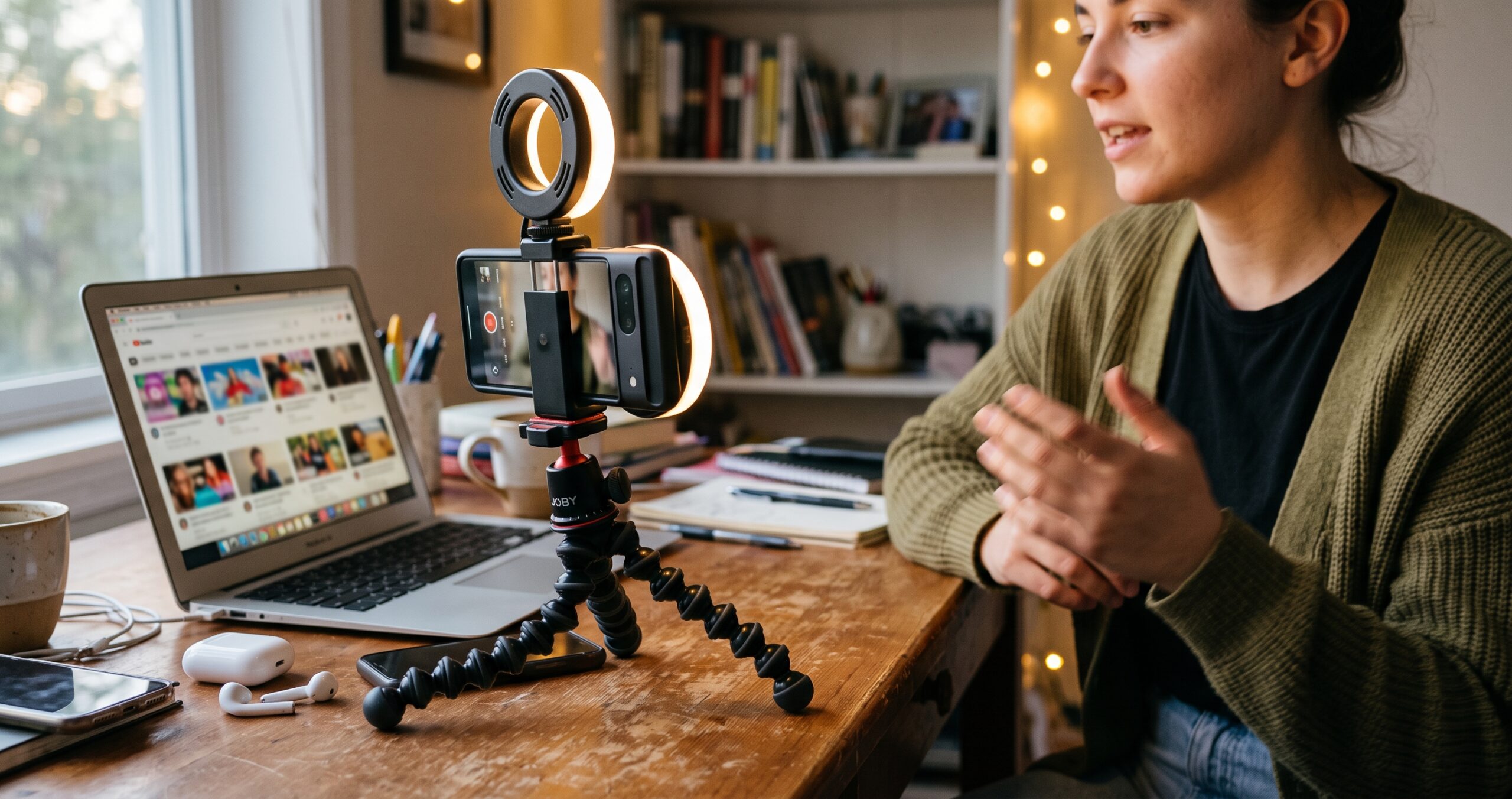
Content creators use music in short-form and long-form video. On TikTok and Instagram Reels, this looks like a creator using your song as the audio for a video about their daily life, a challenge, or a trend. On YouTube, it might be a gaming channel using your track as background music, or a creator building a whole video around your song. The conversion path from this type of placement to streams is real but indirect. Viewers who discover music this way often go search for it specifically.
Music reviewers and bloggers write about new releases in specific genres. These placements generate press quotes you can use in pitches, help with SEO, and signal to industry professionals that real humans are paying attention to your music. Their direct streaming impact tends to be lower than creator placements, but their credibility value is high.
What do playlist curators respond to?
Curators receive hundreds of pitches a week. The ones that get acted on are specific, credible, and easy to evaluate. A pitch that says “I think this song would fit your Indie Afternoon playlist” referencing the actual playlist by name, with a Spotify link and a sentence about why the song fits — gets more attention than a generic pitch sent to 200 curators at once.
What to offer: Spotify for Artists pre-save links during the pre-release window give curators a way to add the song to their queue before it’s public. This is a professional signal that you’re organized. Direct links to finished tracks work for independent curators. For editorial playlists on Spotify (the official ones like New Music Friday), the pitch goes through Spotify for Artists’ pitch tool, submitted at least seven days before release.
Realistic outcomes: A placement on a mid-size independent playlist typically drives 500–5,000 streams over the first two weeks. A placement on a playlist with 100,000+ subscribers can drive 10,000+ streams and a noticeable algorithmic bump. Editorial placement (official Spotify editorial) can drive hundreds of thousands of streams, but those are not guaranteed and cannot be purchased.
What do content creators on TikTok and Instagram respond to?
Creators need music that works for their content. That means either a clear, hooky moment that fits a trend, or a versatile sound that works as background music for a broader category of content. A creator who makes food videos needs a track that fits the mood of food videos, they’re not going to build their brand around music that doesn’t serve their audience.
The most effective pitches include a suggested use case. “This track could work for your morning routine content — the tempo matches your editing pace” is more actionable than “I think your followers would love this song.” Give them the creative direction without being prescriptive.
Paid vs. organic: Organic placement means a creator chose your song because they genuinely liked it. Paid placement means you compensated them for the post. Organic always outperforms paid in long-term conversion because the creator’s enthusiasm reads as authentic. Paid can generate impressions and early discovery, but followers who joined a creator for their content may not follow through to a stream if the endorsement feels forced.
When paying for placement, look at the creator’s previous sponsored content performance versus their organic content performance. A creator whose paid posts get half the views of their organic posts is giving you a discount and a warning.
What do music reviewers and bloggers respond to?
Bloggers and reviewers are working with limited time and zero obligation to cover your music. What gets them to pay attention: a genuine connection to their genre focus, a professional pitch that doesn’t waste their time, and something interesting to write about beyond “new artist releases single.”
Interesting angles: the backstory of how a song was made, a collaboration with a notable producer, an unusual recording setup, lyrics that address a specific topic the blogger writes about. The music still has to be good, the angle is what gets the email opened.
What to offer: a press release, a high-resolution photo, a direct download or streaming link, and your bio. If you have existing press quotes, include the best one. Don’t include all of them, one strong quote from a credible outlet is more useful than seven quotes from blogs nobody has heard of.
How do you identify influencers who actually drive streams vs. just impressions?
Follower count is almost useless as a metric on its own. A TikTok account with 500,000 followers that gets 1,000 views per video has worse reach than an account with 50,000 followers that gets 20,000 views per video. Calculate engagement rate before you pitch or pay anyone: total engagements (likes + comments + shares) divided by total followers, multiplied by 100. For TikTok, 3–6% is average. For Instagram, 1–3% is average. Anything significantly below those benchmarks is a flag.
For playlist curators, check the playlist’s follower count against its stream count per track. A playlist with 50,000 followers but only 200 streams per song means its followers are subscribed but not listening. Chartmetric, Soundcharts, and Spotify for Artists all have tools to research this.
Look at comments, not just likes. Genuine music discovery generates comments like “what’s this song?” or “I’ve been looking for this track for weeks.” Bot-inflated accounts get generic emoji comments, if any at all.
Why do micro-influencers often outperform larger accounts for indie artists?
An account with 15,000 followers in a specific genre niche has a more attentive, more genre-loyal audience than an account with 500,000 general entertainment followers. When that micro-influencer shares your folk-pop single, their followers are people who already care about that sound. The conversion rate from listen to follow, save, or repeat stream is higher because the audience is pre-qualified.
Cost is also a factor. A 500,000-follower account might charge $2,000–5,000 per sponsored post. A set of five 15,000-follower accounts in your genre niche might cost $150–300 each, for a total spend of $750–1,500 with better-targeted reach and higher conversion rates. The same budget, better results.
How do you structure a release campaign?
Think in three phases, each with a specific purpose.
Pre-release (2–4 weeks before release date): Get curators on board. Submit to Spotify editorial through Spotify for Artists. Pitch independent playlist curators with pre-save links. Seed the song to two or three trusted content creators for early content. Build anticipation in your own channels: teaser clips, behind-the-scenes, the story behind the song.
Release week: Creator placements go live, timed to the release date or within 24–48 hours. If you’ve seeded effectively, some content goes up the same day the song is available. The algorithm watches what happens in the first 72 hours: streams, saves, playlist adds, very closely. Concentrated activity during this window matters.
Post-release (weeks 2–4): Blogger and reviewer placements land here, they take longer to publish. User-generated content starts appearing if the song is connecting. Curators who didn’t include the song on release week might add it now if you follow up. This is also when Spotify’s own algorithm either starts pushing the song or stops paying attention to it, depending on how release week went.
Find verified music influencer contacts
Building an influencer list from scratch, vetting engagement rates, checking genre alignment, finding contact info, takes longer than most artists have before a release. Major Contacts maintains a Music Influencers database with verified curators and content creators organized by genre, so you can build a targeted list without the research overhead.
Browse the Music Influencers database at majorcontacts.com and start your next release campaign with contacts who are actually active in your space.